In everyday life, shoes serve a purpose far beyond fashion. They protect the feet, support movement, and play a crucial role in maintaining overall body balance. Selecting the right shoes is an important decision that directly affects comfort, posture, and long-term foot health. Whether used for work, walking, or formal occasions, shoes should always be chosen with care and awareness.

This educational guide explains how shoes function, why proper selection matters, and how different designs support different lifestyles.
The Functional Role of Shoes in Human Movement
The primary function of shoes is to protect the feet from physical stress, sharp objects, and uneven surfaces. However, modern shoes are also designed to absorb shock, distribute body weight evenly, and support natural foot movement. Without proper shoes, prolonged walking or standing can lead to muscle fatigue and joint strain.
Well-structured shoes help maintain correct posture by aligning the feet with the ankles, knees, and spine. This alignment reduces pressure on joints and improves balance during movement.
Key Components of Shoes and Their Importance
Understanding shoe structure helps in making better choices. The sole of shoes provides grip and shock absorption. Insoles enhance comfort by cushioning the foot, while the upper part of shoes ensures stability and fit. Breathable materials prevent moisture buildup and reduce the risk of skin irritation.

Quality shoes are designed with flexibility in the forefoot area and firmness in the heel, allowing smooth motion while walking. These features are essential for long-term comfort and foot safety.
Types of Shoes and Their Educational Purpose
Casual shoes are designed for everyday use and moderate movement. They offer comfort and flexibility for daily routines. Athletic shoes are engineered to support physical activities by absorbing impact and enhancing performance. Formal shoes focus on structure and appearance, providing a professional look with controlled movement.
Open , such as sandals, allow airflow and are suitable for relaxed environments but should still provide adequate sole support to avoid discomfort.
How Affect Foot Health Over Time
Improper can contribute to common foot problems such as corns, blisters, and heel pain. Wearing supportive helps prevent these issues by reducing friction and pressure points. Correctly fitted allow natural toe movement and promote healthy blood circulation.
Foot specialists often recommend replacing once the sole loses grip or cushioning, as worn footwear can no longer provide proper support.
Educational Trends in 2026
Modern footwear design emphasizes ergonomic structure and sustainability. Many now use eco-friendly materials and scientifically tested designs to improve comfort. Lightweight with adaptive soles are becoming popular due to their ability to adjust to different walking patterns.
Conclusion
The Science Behind and Foot Mechanics
From an educational perspective, are designed to work in harmony with the natural structure of the human foot. Each foot contains 26 bones, multiple joints, and complex muscle systems that support body weight and movement. Properly designed help distribute this weight evenly, reducing pressure on specific areas such as the heel and toes.
Modern are engineered with shock-absorbing soles that minimize impact during walking or running. This is especially important for individuals who spend long hours standing or walking. Without supportive , repeated stress can lead to discomfort, inflammation, and reduced mobility over time.
How Influence Posture and Body Alignment
The role of extends beyond foot protection; they significantly affect posture and spinal alignment. When lack proper support, the body compensates by adjusting walking patterns, which may cause strain on the knees, hips, and lower back. Supportive help maintain neutral foot positioning, allowing the spine to stay aligned naturally.
Educational studies emphasize that wearing well-fitted improves balance and reduces fatigue. This is particularly beneficial for working professionals, students, and elderly individuals who require stability during daily activities.
Understanding Fit: Length, Width, and Arch Support
Choosing the correct size is one of the most important educational aspects of buying . Many people wear incorrectly sized footwear without realizing it. Proper should allow enough room for toe movement while securing the heel firmly in place.
Arch support is another crucial factor. Different foot types—flat feet, neutral arches, or high arches—require different . Educational awareness about foot structure helps individuals choose that prevent long-term strain and discomfort. Foot specialists recommend trying later in the day when feet are slightly expanded to ensure accurate fitting.
Materials Used and Their Benefits
The materials used in directly affect comfort, durability, and breathability. Leather are known for durability and structure, while mesh-based offer ventilation and flexibility. Synthetic materials are commonly used in modern due to their lightweight and water-resistant properties.
Breathable reduce moisture buildup, which helps prevent odor and skin irritation. Educational awareness of materials allows consumers to select suitable for climate, usage, and personal comfort needs.
Different Age Groups and Needs
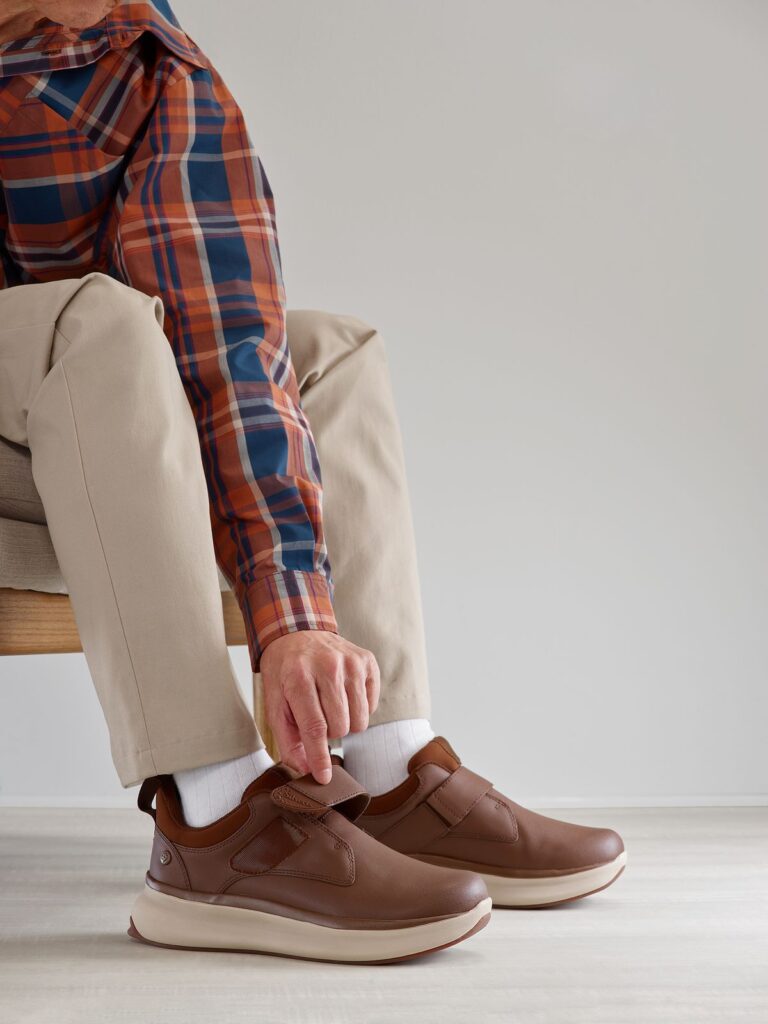
Different age groups require different types of shoes. Children need flexible that support natural foot development. Adults benefit from shoes that balance comfort and durability, especially for work and daily activities. Older individuals often require shoes with enhanced cushioning, grip, and stability to reduce the risk of falls.
Educational guidance helps consumers understand that should evolve with changing lifestyle and physical needs.
Environmental Impact and Sustainable
An emerging educational topic in footwear is sustainability. Many modern shoes are now produced using eco-friendly materials and ethical manufacturing processes. Sustainable aim to reduce environmental impact while maintaining comfort and performance.
Consumers are increasingly choosing that align with environmental responsibility, making sustainability an important factor in modern footwear education.
When and Why Shoes Should Be Replaced
Even high-quality have a lifespan. Over time, soles lose cushioning, and support structures weaken. Educational experts recommend replacing once they show signs of uneven wear, reduced grip, or discomfort.
Worn-out can no longer provide proper support, increasing the risk of injury. Understanding replacement timelines helps maintain foot health and overall comfort.
Educational Conclusion
From anatomy and posture to materials and sustainability, play a critical role in daily life. Educating yourself about how function allows you to make informed choices that support comfort, health, and long-term well-being. By selecting well-constructed suited to your lifestyle, you invest not only in fashion but also in physical wellness.
Continue exploring expert-backed lifestyle and footwear insights at ClickSynergy Blog, where education meets everyday practicality.
Leave a Reply